
Case Study: Anderson University
At a Glance
- Industry: Higher Education
- Location: Anderson, Indiana
- Students: Approximately 1,200
- Parking Lots: 30+
- Parking Spaces: 1,850+
- Annual Student Permits: ~1,750
- Annual Employee Permits: 350+
- Modules Implemented: ParkAdmin, ViolationAdmin
- Key Integration: PeopleSoft financial systems
- Key Result: Replaced a difficult legacy system with one connected platform, giving patrol staff field data in near real time and administrators a single view across 30+ lots
Overview
Take Command of Your Campus. Unified Parking & Security Operations.
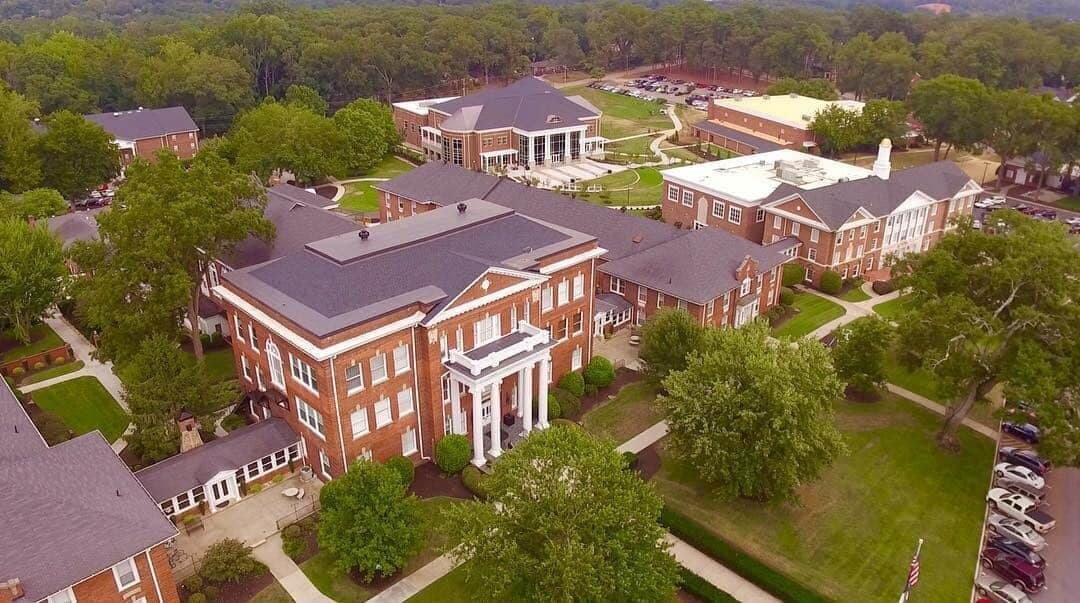
Anderson University replaced a difficult legacy parking system with one connected platform, giving patrol staff field data in near real time and administrators a single view across more than 30 parking lots. The private Christian university in Anderson, Indiana, serves approximately 1,200 students on a residential campus with roughly 30 parking lots, 1,850 parking spaces, and on-street parking areas across campus. Its parking department manages a wide range of permit categories (student, faculty, staff, commuter, and temporary) while running daily enforcement operations.
Each year the department processes approximately 1,750 student permits and more than 350 employee permits. Managing that volume across a legacy system that was increasingly difficult to use created real operational strain for administrators, patrol staff, and the parkers they served.
The Challenge
Anderson University’s existing parking management system had become a liability rather than an asset. It was bulky, difficult for new staff to learn, and lacked the connected workflows the university needed to manage permits and enforcement efficiently across a large parking environment.
Key challenges included:
- A legacy platform that was difficult to maintain, difficult to train new staff on, and increasingly unreliable
- No near-real-time access to permit and parking data for officers in the field, so patrol staff worked from delayed or incomplete information
- Permit management and enforcement operating as separate workflows with no shared data connection
- Manual reconciliation of past-due violations with the university’s PeopleSoft financial system, which was time-consuming and error-prone
- Training new and temporary enforcement staff on a complex legacy system consumed significant time and introduced inconsistency
- No emailed citation notifications, so parkers found out about violations only when they checked manually
- Growing concern about software obsolescence and the long-term sustainability of the existing platform
For a parking operation managing 30+ lots, 2,100+ permits, and daily enforcement across a large campus, the inefficiencies of a disconnected legacy system were not just inconvenient. They compounded daily. This is one of the most common situations that drives universities toward a unified parking management platform: not a single crisis, but the accumulated cost of a system that was never designed to connect.
The Solution
Anderson University implemented OperationsCommander (OPSCOM) to replace its legacy platform with a unified, cloud-based parking management system that combines permit management, enforcement, handheld field tools, financial integration, and reporting in one connected platform.
ParkAdmin: Unified Permit Management
ParkAdmin gave Anderson’s parking department a centralized platform for managing all permit categories across the full campus parking footprint:
- Unified management of student, faculty, staff, commuter, and temporary permits in one system
- Multiple permit categories and parking allocations configured to match the university’s lot structure and eligibility rules
- Live permit data accessible to patrol staff directly from handheld devices in the field
- Self-service portal for parkers to manage accounts, register vehicles, and handle routine transactions without office visits
- Emailed citation notifications, so parkers are informed of violations rather than discovering them later
- Centralized reporting and operational visibility across all 30+ lots
ViolationAdmin: Mobile Enforcement
ViolationAdmin changed how Anderson’s patrol staff operate in the field, giving officers live access to permit and vehicle data rather than relying on delayed exports or disconnected tools:
- Handheld enforcement devices with live access to permit, vehicle, and violation data
- Permit validation in the field, letting officers confirm whether a vehicle is compliant without waiting for system updates
- Digital citation issuance with supporting evidence attached at point of issue
- Online violation payment and appeals, so parkers resolve citations without visiting the parking office
- Violation tracking from issuance through resolution
Because permit data and enforcement activity share the same platform, a permit purchase is visible to officers in the field in near real time, reducing unnecessary citations and the disputes that follow. This is the practical difference between a connected enforcement system and one where permits and violations are managed separately. Learn more about how connected enforcement workflows improve accuracy and reduce officer error.
PeopleSoft Financial Integration
OPSCOM worked with Anderson University to streamline the handling of past-due violations through integration with the university’s PeopleSoft financial environment. Custom reporting workflows share parking violation data with the finance department for account processing and administrative follow-up, eliminating the manual reconciliation that previously consumed staff time on both sides.
Simplified Staff Training and Onboarding
Replacing a complex legacy system with a more intuitive platform had an immediate impact on training time for new and temporary enforcement staff. Because the platform is faster to learn, the parking department can bring seasonal or replacement staff up to speed sooner, without the inconsistency that comes with a system too complicated to learn quickly.
The Results
By replacing a legacy system with a connected cloud platform, Anderson University improved operational visibility, simplified enforcement, and strengthened coordination between the parking department and campus finance.
Field Operations Across 30+ Lots
Patrol staff now work from live data rather than delayed exports. When a permit is purchased or a vehicle record is updated, enforcement officers see it in near real time on their handheld devices. Across 30 parking lots and the university’s on-street parking areas, that connection is the difference between consistent enforcement and constant exceptions. Learn more about how unified parking management supports efficient operations across large campus environments.
Unified Permits and Enforcement in One System
Anderson’s permit management and enforcement operations now share a single connected platform. Administrators have a complete view of permit activity and enforcement trends without reconciling data from separate systems, and the operational fragmentation of the legacy environment is gone. See how a unified parking management system eliminates the data gaps that disconnected tools create.
Automated Financial Workflows
The PeopleSoft integration eliminated manual data sharing between the parking department and finance. Past-due violation data flows into the university’s financial workflows without manual extraction, reformatting, or reconciliation. Staff time previously spent bridging the gap between systems is now available for higher-value work.
Clearer Communication with Parkers
Automated emailed citation notifications mean parkers learn about violations promptly rather than after the fact. That reduces the frustration of unexpected charges and gives parkers more time to respond (through payment or appeal) before violations escalate. The result is a more transparent enforcement process that improves the parker experience while maintaining compliance.
Faster Staff Onboarding
The shift to a more intuitive platform reduced training time for new and temporary enforcement staff. With a system that non-technical users can learn quickly, Anderson’s parking department can maintain consistent enforcement standards even as staffing changes, without the knowledge gaps that came with the legacy system’s complexity.
A Platform That Keeps Improving
As a continuously developed SaaS platform, OPSCOM delivers regular enhancements and new capabilities without requiring Anderson to manage upgrade cycles or infrastructure changes. The concern about software obsolescence that contributed to the original decision to switch has been replaced by confidence in a platform that improves over time.
Why OPSCOM
Anderson University selected OPSCOM to solve a specific problem: a legacy system that was too complex, too disconnected, and too difficult to maintain for a parking operation of its scale. The university needed a platform that connected permits and enforcement, integrated with PeopleSoft, supported field officers on handheld devices, and was simple enough to train new staff on quickly.
“Your quick email replies are top notch and very much appreciated.”
Andrea McClain, Anderson University
That support is what keeps a parking operation running smoothly through staffing changes and seasonal peaks. OPSCOM delivered on the platform requirements Anderson identified, and the continuous development model means the platform the university implemented is more capable today than when it was first deployed.
For other mid-sized Indiana universities or private institutions with similarly complex parking environments, the Taylor University case study offers a comparable perspective on modernizing campus parking. For larger-scale higher education deployments, see the Carleton University case study. Learn more about how OPSCOM supports higher education parking and security operations across North America.
About Anderson University
Anderson University is a private Christian university located in Anderson, Indiana, serving approximately 1,200 students on a residential campus. The university offers undergraduate and graduate programs across a range of disciplines and is known for its commitment to faith, learning, and service. With 30+ parking lots, 1,850+ parking spaces, and on-street parking areas across campus, parking operations at Anderson represent a significant logistical responsibility for the campus community.
