
The Architectural Blueprint of Modern Parking Ecosystems
The traditional approach to managing parking—relying on static lots, physical gates, and manual enforcement—is buckling under the weight of modern expectations. In a post-COVID world characterized by hybrid work schedules and a demand for instant digital convenience, facility directors and urban planners are realizing that a parking lot is no longer just a piece of concrete. It is a dynamic, interconnected digital ecosystem.
Building a resilient infrastructure that meets these new demands does not happen by accident. It requires deliberate, high-level program design. When administrators treat parking as a comprehensive operational strategy rather than a series of isolated tasks, they unlock hidden revenue, dramatically improve customer satisfaction, and secure their physical perimeters.
Establishing a Resilient Foundation Through Policy
The most sophisticated technology in the world cannot fix a broken foundation. Effective program design begins with crafting a comprehensive parking company policy that aligns with your organization’s overarching goals. A well-designed policy dictates everything from office building allocation to condo visitor parking management. It sets the rules of engagement for your entire community.
Without clear guidelines, administrators face endless disputes, unauthorized access, and inefficient use of space. Developing the right parking policy involves deeply analyzing your community development needs. This might mean implementing flexible parking for businesses to accommodate a hybrid workforce, designing an intelligent parking cash-out scheme to incentivize alternative transportation, or optimizing curb management to ensure delivery trucks do not paralyze your campus. When the rules are transparent and perfectly tailored to your environment, compliance becomes the natural default.
Engineering the Frictionless Commute
Once the foundational policy is set, the architectural focus shifts to the user journey. Drivers today expect a completely frictionless parking experience, viewing it as the baseline for good customer service. The era of digging for loose change at a broken meter or waiting in line for a physical permit is over.
Program design must prioritize the seamless movement of vehicles. This is driving a massive industry shift toward cloud-based parking and cashless payment systems. By embracing contactless parking technologies—a trend accelerated by the pandemic but rooted in decades of innovation—facilities can completely remove physical bottlenecks. We are seeing this revolution firsthand in healthcare, where gateless hospital models are replacing stressful barrier systems with automated License Plate Recognition. When users can register their vehicles online and drive straight into a facility without stopping, the stress of the commute evaporates, and administrative overhead plummets.
Unifying Security and Operational Intelligence
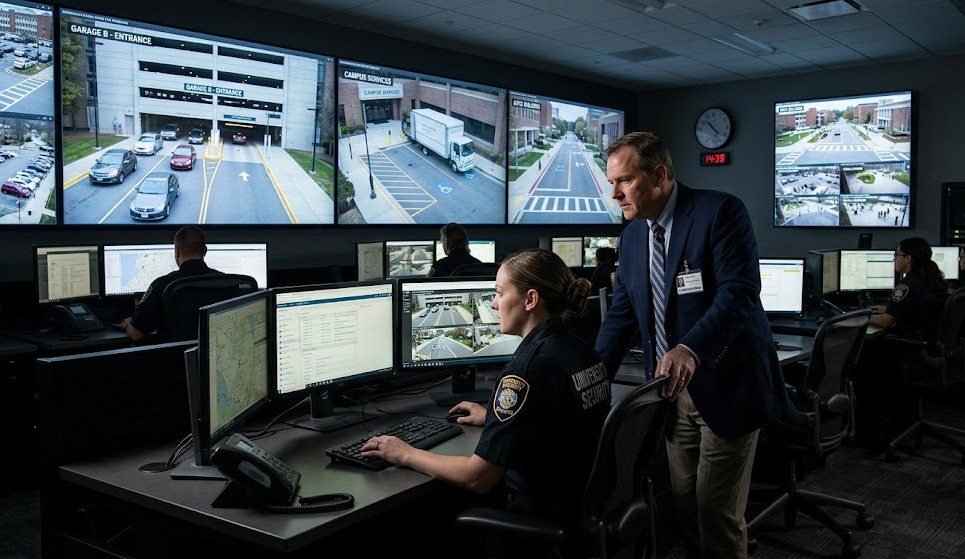
A holistic program design recognizes that mobility and security are inextricably linked. Your parking infrastructure represents a massive physical footprint, making it a critical zone for potential vulnerabilities. Managing these risks requires integrating robust security protocols directly into your parking operations.
Deploying advanced incident management tools is no longer optional for high-traffic environments. When an enforcement officer can instantly log a security incident, capture photographic evidence, and verify a parking permit from a single handheld device, process management is transformed. This unified approach is especially vital for colleges and universities, where technology acts as a valuable ally for strict Clery Act compliance. Furthermore, approaching online security from the end-user perspective ensures that all financial transactions and personal data stored within your cloud-based system are rigorously protected, fostering total trust within your community.
Navigating Procurement and Implementation
Designing the ultimate program eventually leads to the complex reality of vendor selection and software deployment. Drafting a security and parking management system RFP can be a daunting task, but it is the critical moment where your theoretical program design becomes a tangible asset. A successful RFP must demand a flexible, unified architecture rather than settling for disconnected legacy software.
Even the best technology will fail if it is rolled out chaotically. Transitioning a massive campus or municipal center to a digital ecosystem requires a measured, phased approach to adopting software. By gradually introducing digital permits before rolling out automated enforcement, you allow your staff and your users to adapt comfortably. This methodical implementation prevents operational shock and guarantees long-term adoption.
Command Your Curbside with Absolute Precision
Architecting a master program that perfectly balances flexible policy, frictionless payments, and ironclad security is a monumental task. It requires a visionary partner capable of turning your operational blueprints into reality.
OperationsCommander has spent over two decades pioneering the cloud-based, contactless solutions that define modern program design. We do not just provide software; we deliver a unified command center designed to optimize every facet of your parking and security operations. From streamlining your financial tracking through our built-in Sales Window to deploying cutting-edge IncidentAdmin technology, we ensure your facility is prepared for whatever the future demands.