
Navigating the War on Parking: A Strategic Briefing on Program Design
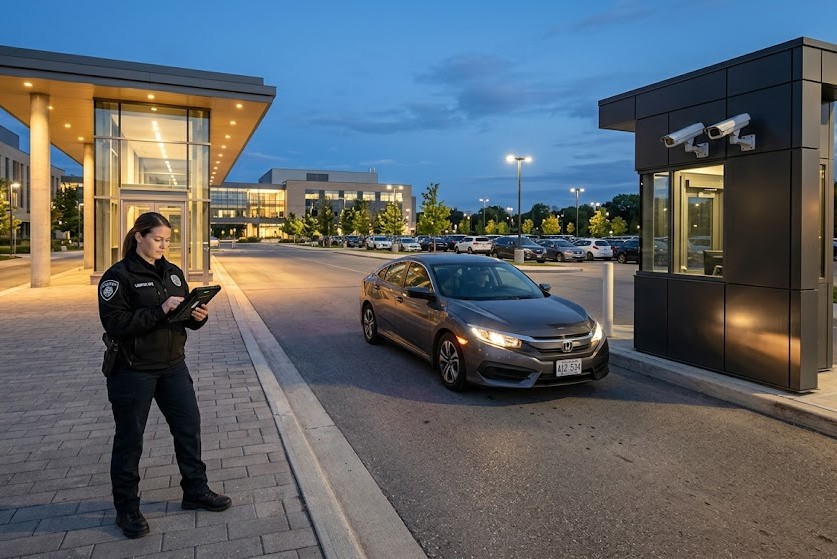
Facility managers, campus administrators, and urban planners are currently fighting what industry insiders call the war on parking. Rapid urbanization and transportation demands are completely reshaping how we navigate our cities and commercial spaces. As real estate becomes scarcer and populations denser, the sheer logistics of moving vehicles in and out of a property have become a primary operational challenge.
Designing a comprehensive parking program is no longer just about paving a lot; it requires architecting a highly intelligent digital ecosystem. To survive this shift, the parking industry must invest in technology. Here is a strategic briefing on the latest trends that will determine the future of parking, and how you can design a program that scales.
Escaping the Legacy Technology Trap
The foundation of your program design is your database, and far too many organizations are building their futures on quicksand. It is a known fact why managing parking lots with spreadsheets is inefficient: they create massive data silos, are highly susceptible to human error, and offer zero real-time visibility to officers in the field.
Even facilities that have upgraded from spreadsheets often find themselves trapped by outdated, on-premise legacy systems. When parking software starts slowing you down—crashing during peak permit registration or failing to integrate with modern cameras—it transitions from being a tool to a massive liability. A modern program must be built on a unified, cloud-based architecture that guarantees real-time synchronization across your entire facility.
The Shift to Smart Mobility and Virtual Infrastructure
If you want to future-proof your curbside, you have to answer a critical question: What is smart mobility? It is the intelligent integration of infrastructure and user-facing technology to completely remove friction from the commute.
We saw exactly how technology is helping the world battle COVID-19 effects by accelerating the adoption of contactless systems. The public now expects entirely touchless interactions. This expectation is driving the rise of virtual parking meters, which are transforming urban parking. By allowing users to pay via smartphone rather than maintaining expensive, physical hardware, facilities can dynamically adjust pricing and capture valuable usage data.
This tech-driven approach is also defining future hotel parking. Hospitality venues are abandoning the traditional front-desk parking pass in favor of self-serve, mobile registration, creating a seamless arrival experience for guests. However, as you design these digitized programs, you must remain mindful of urbanization and the digital divide, ensuring your strategy includes inclusive options—like cash-to-cloud kiosks—so no demographic is alienated.
Converging Traffic Control and Operational Security
A truly comprehensive program design recognizes that parking is inextricably linked to facility safety. Your lots represent a massive physical footprint, and surveillance solutions for parking management are no longer optional.
Integrating fixed License Plate Recognition (LPR) cameras does more than automate permit checks; it acts as a digital perimeter. But surveillance alone isn’t enough. You must use alerting to improve the incident management process. If an unauthorized vehicle enters a restricted zone, your system should automatically ping your security dispatch. By actively promoting an operational security program that unifies parking data with incident reporting, you empower your staff to respond to threats in real-time.
Furthermore, you must account for the active movement of vehicles. Streamlining traffic management with VATS (Vehicle Access and Traffic Systems) allows you to use your software data to predict peak ingress and egress times, preventing the bottlenecks that lead to accidents and user frustration.
Executing the Ultimate Guide to Parking Management
The top strategies to boost your parking operation all point to one undeniable conclusion: you need a single, centralized command center that handles everything from virtual permits to incident alerting.
What is OPS-COM? We are exactly that command center. OperationsCommander was built to eliminate the inefficiencies of legacy software, providing a flexible, cloud-based platform that unifies your entire curbside strategy. We are constantly sharing our thoughts for the future of OPS-COM and the industry at large, which is why we invite you to explore our resources.
We don’t just observe the smart parking solution; we engineer it.
Ready to redesign your parking program for the modern era?

Parking Operations Strategy
Aligning digital parking technology with organizational goals, HR policies, and physical infrastructure. Software is an…

The Architectural Blueprint of Modern Parking Ecosystems
The traditional approach to managing parking—relying on static lots, physical gates, and manual enforcement—is buckling…

The Smart Parking Maturity Model: A Masterclass in Program Design
If you are a facility director or operations manager right now, you are likely feeling…
Architecting the Modern Curbside: A Strategic Blueprint for Smart Parking Operations
The fundamental nature of facility management has undergone a permanent transformation. Gone are the days…
Beyond the Asphalt: Why Modern Parking Strategy is the Heart of Facility Operations
For generations, parking was treated as a passive utility. Administrators paved a lot, painted the…

5 Warning Signs Your Parking and Security Strategy is Outdated (And How to Fix It)
Managing a modern facility—whether it is a corporate office building, a university, or a sprawling…