
The Curbside Command Blueprint: Moving from Reactive Patchwork to Proactive Strategy

Managing a large-scale parking operation for a bustling university campus, a sprawling healthcare network, or a growing municipality is no longer a matter of simply paving asphalt and painting lines. Today, Facilities Directors and Campus Security Chiefs are the custodians of complex, multi-million-dollar ecosystems.
You are tasked with balancing hybrid work schedules, enforcing strict security policies, and capturing elusive revenue—all while ensuring your drivers experience a frictionless commute.
If your daily routine consists of putting out operational fires, your facility has outgrown its current infrastructure. Transitioning from a reactive posture to a proactive command strategy requires a fundamental shift in how you view your curbside. Here is the blueprint for modernizing your facility, designed to maximize revenue and drastically minimize organizational risk.
Rethinking the Concrete: The Capacity Illusion
The most common trap in facility management is the “perceived” parking shortage. A primary lot might look completely full at 10:00 AM on a Tuesday, prompting immediate conversations about the massive capital expense of building a new garage. However, that same lot might sit completely empty on Fridays.
Before you pour more concrete, you must analyze your data. A proactive strategy abandons static, rigid space assignments in favor of dynamic allocation. By leveraging a smart, centralized permit database, administrators can track exact peak usage times and safely oversell their lots based on historical trends. You can implement tiered parking zones, reserving premium, high-turnover spaces for visitors while incentivizing staff and long-term parkers to utilize peripheral lots. You do not need more space; you need smarter spatial intelligence.
Closing the Perimeter: The Security Blindspot
A parking facility is rarely just a place to leave a vehicle. It is often the largest physical footprint on your property, making it a massive zone for organizational liability. From minor property damage to serious security threats, the curbside is where incidents happen.
If your security team is still logging these events on paper forms or in disconnected spreadsheets, you are exposing your organization to severe legal and financial risks. A modern strategy demands the unification of parking and security operations. When an enforcement officer is out on patrol, they should not have to juggle multiple devices or call into dispatch to record a hazard. By utilizing a unified cloud platform, officers can instantly log a security incident, capture timestamped photographic evidence, and verify a virtual parking permit using the exact same mobile handheld device.
Engineering the Ecosystem: Persona-Based Workflows
No two facilities operate the same way, which means a rigid, one-size-fits-all software solution will inevitably buckle under the pressure of a complex environment.
Consider the unique ecosystem of higher education. A campus must simultaneously accommodate students living in residence, faculty commuting on hybrid schedules, and thousands of transient visitors arriving for weekend events. A proactive strategy builds flexible, persona-based workflows to handle this chaos seamlessly. This means deploying 24/7 self-serve web portals so students can manage their own virtual permits, establishing automated payroll deductions for faculty, and offering frictionless mobile payments—like scanning a QR code or text-to-pay—for your weekend visitors. When the system adapts to the user, compliance naturally follows.
The Myth of the “Rip and Replace”
The single biggest roadblock to operational modernization is the fear of the transition itself. Directors often tolerate failing legacy systems because the idea of a massive, overnight software overhaul sounds like an administrative nightmare that will paralyze their staff.
Ingenuity lies in the execution. You do not have to change everything at once. The most successful facilities adopt a phased approach to technology adoption. You might start by digitizing your permit management system this quarter, getting your users comfortable with a self-serve portal. Next quarter, you can roll out mobile handheld devices for your enforcement patrol. The following year, you can seamlessly integrate fixed License Plate Recognition (LPR) cameras at your entrance gates. A phased rollout eliminates change-fatigue, ensures your staff masters one tool before moving to the next, and provides immediate ROI at every step.
Execute Your Strategy with a Proven Partner
A strategic blueprint is only as effective as the technology used to build it. For over two decades, OperationsCommander has been pioneering cloud-based parking and unified security management. We were engineering virtual, frictionless parking solutions long before the rest of the industry recognized the need.
We don’t just adapt to the future of parking—we imagine it, build it, and deliver it with absolute ingenuity. Whether you need to overhaul your campus allocation plan, unify your security reporting, or execute a flawless, phased technology rollout, we have the proven architecture to make it a reality.
Ready to stop reacting and start commanding your curbside? Let’s discuss your facility’s strategic future today.

Parking Operations Strategy
Aligning digital parking technology with organizational goals, HR policies, and physical infrastructure. Software is an operational tool, but strategy dictates its success. A comprehensive parking strategy ensures that technology adoption supports your broader objectives—from managing hybrid workforce demands to meeting sustainability mandates. A well-designed…
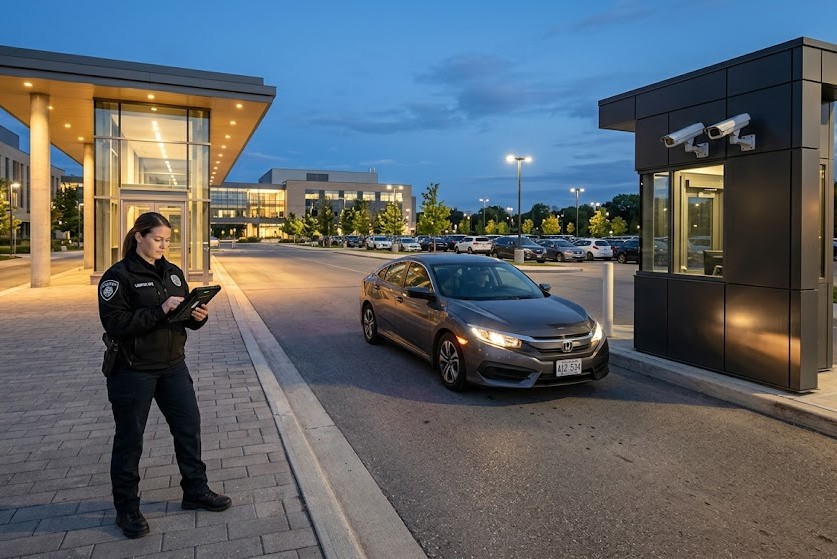
Navigating the War on Parking: A Strategic Briefing on Program Design
Facility managers, campus administrators, and urban planners are currently fighting what industry insiders call the war on parking. Rapid urbanization and transportation demands are completely reshaping how we navigate our cities and commercial spaces. As real estate becomes scarcer and populations denser, the sheer…
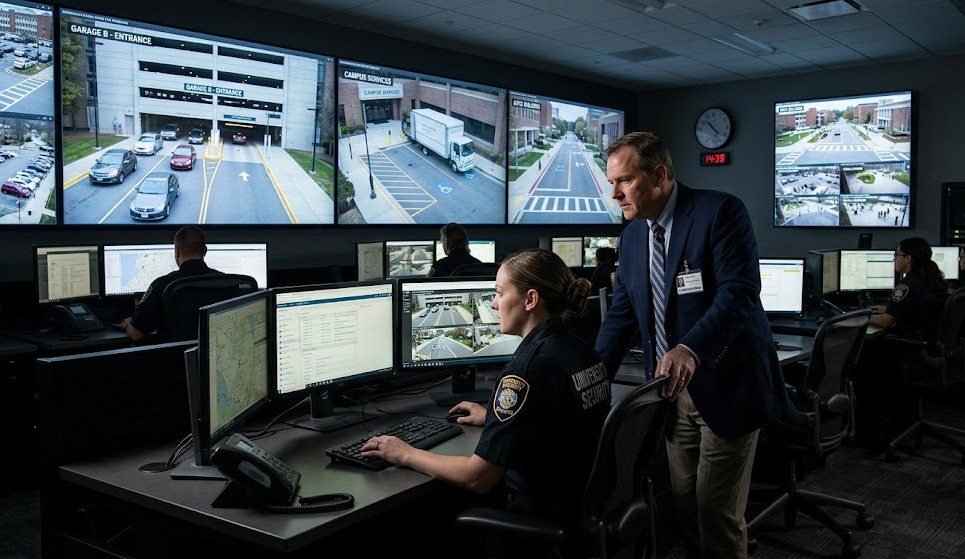
The Architectural Blueprint of Modern Parking Ecosystems
The traditional approach to managing parking—relying on static lots, physical gates, and manual enforcement—is buckling under the weight of modern expectations. In a post-COVID world characterized by hybrid work schedules and a demand for instant digital convenience, facility directors and urban planners are realizing…

The Smart Parking Maturity Model: A Masterclass in Program Design
If you are a facility director or operations manager right now, you are likely feeling the intense friction between outdated infrastructure and modern commuter expectations. It is completely understandable to feel overwhelmed. Balancing the unpredictable nature of hybrid workforces, the demand for seamless digital…
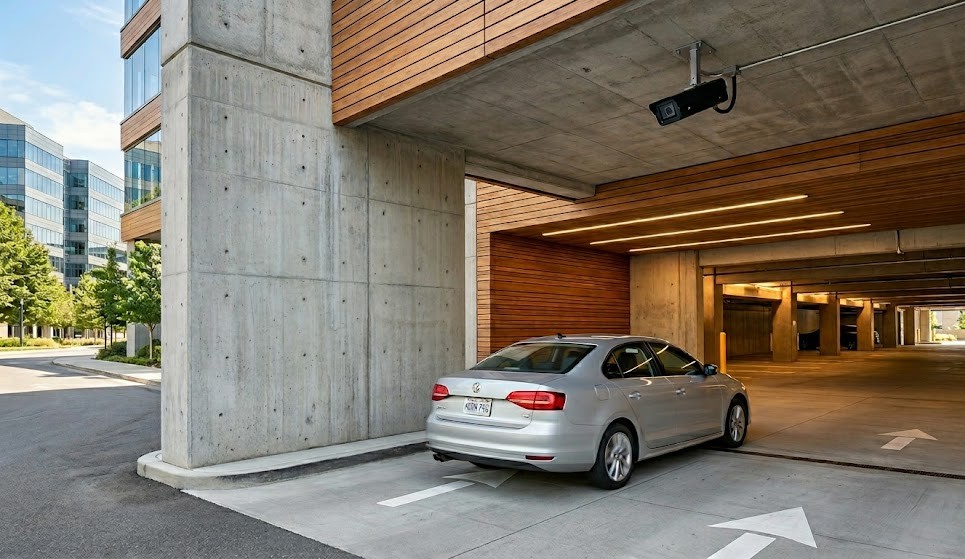
Architecting the Modern Curbside: A Strategic Blueprint for Smart Parking Operations
The fundamental nature of facility management has undergone a permanent transformation. Gone are the days when addressing parking management challenges meant simply patching asphalt, repainting lines, and emptying coin-operated meters. Today, navigating parking management in the post-COVID era requires facility directors, campus administrators, and…

Beyond the Asphalt: Why Modern Parking Strategy is the Heart of Facility Operations
For generations, parking was treated as a passive utility. Administrators paved a lot, painted the lines, installed a few coin-operated meters, and considered the job done. But the landscape of facility management has fundamentally shifted, and treating your curbside as an afterthought is now…

5 Warning Signs Your Parking and Security Strategy is Outdated (And How to Fix It)
Managing a modern facility—whether it is a corporate office building, a university, or a sprawling hospital—requires a delicate balance. You need to enforce strict security protocols while providing a seamless, welcoming experience for your visitors and staff. When your parking and security operations are…