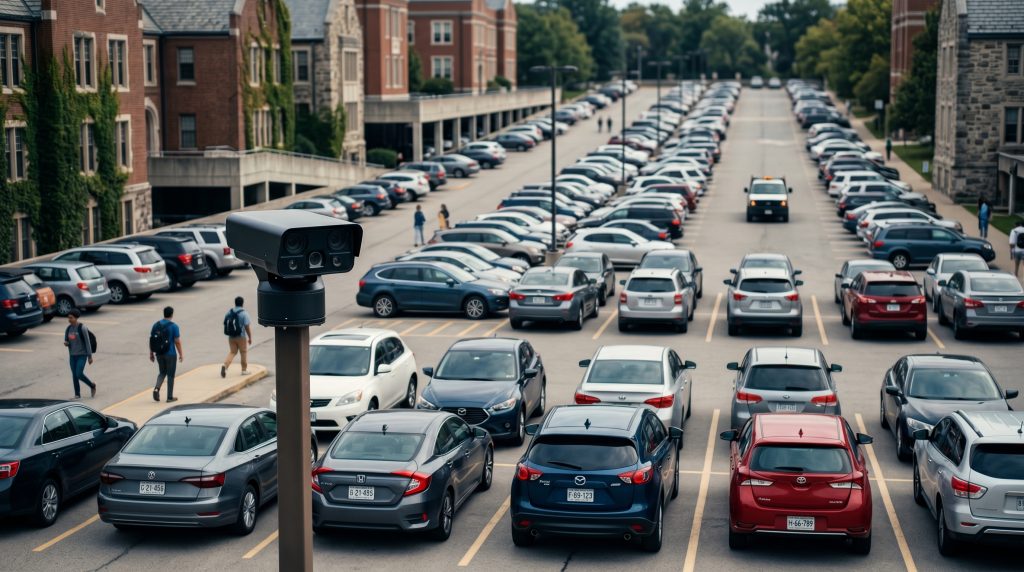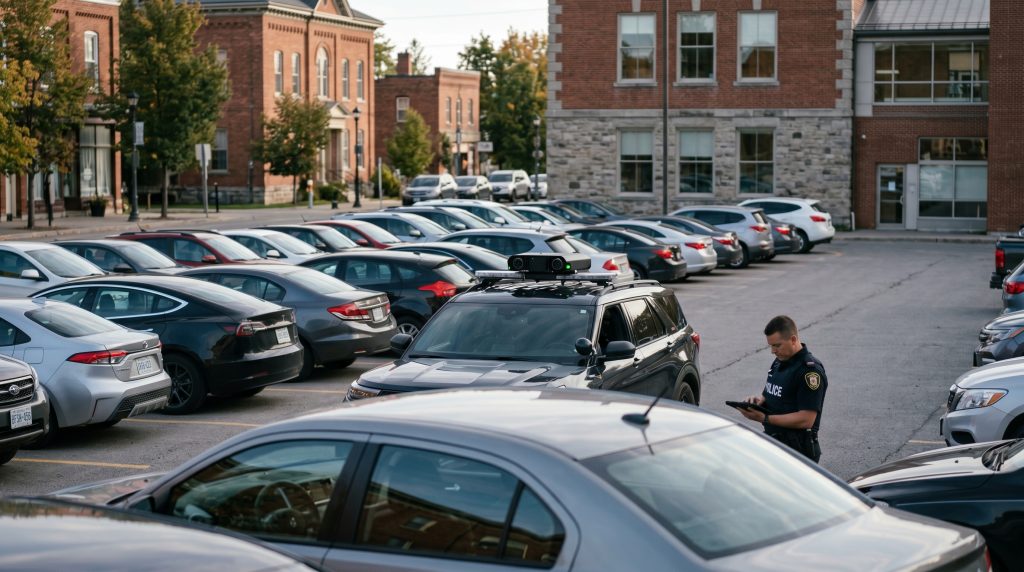
LPR in Parking Enforcement Operations: How Patrols Actually Work
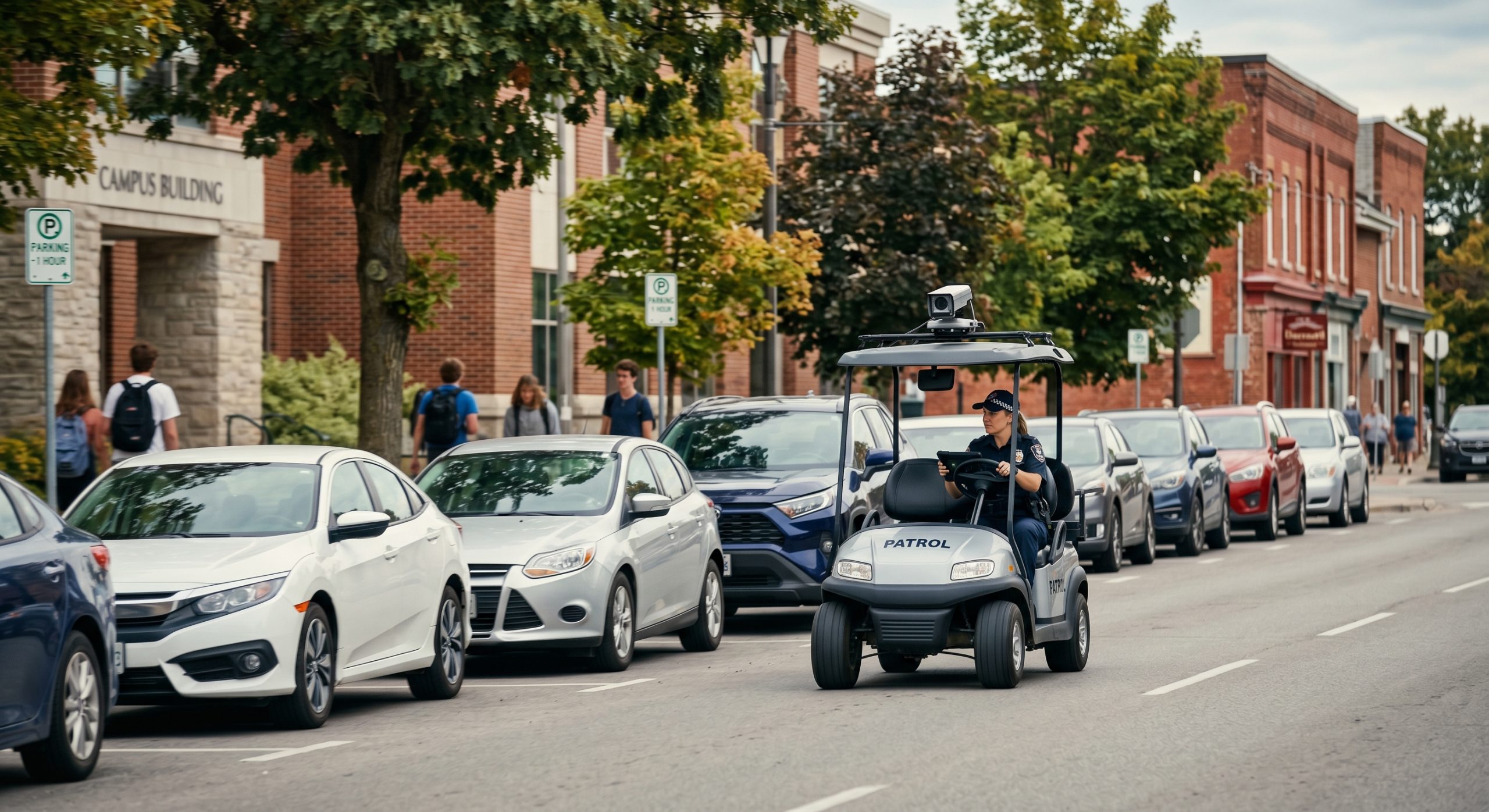
The effectiveness of parking enforcement depends on what happens in the field. When officers rely on manual checks, patrols are slower and coverage is limited.
LPR changes how patrols operate by automating vehicle scanning and connecting it to enforcement decisions in real time.
The Role of LPR in Patrol Operations
With LPR, officers can:
- Scan multiple vehicles quickly while moving through a zone
- Identify violations without manual lookup
- Reduce time spent entering data
- Increase overall patrol coverage
This shifts focus from data collection to enforcement.
How LPR Patrols Work in Practice
During a patrol:
- Vehicles are scanned continuously using mobile or vehicle-mounted LPR
- Plate data is processed instantly
- Compliance is validated against permit and enforcement rules
- Non-compliant vehicles are flagged immediately
- Evidence is captured automatically
- Citations are issued directly from the system
This creates a continuous scan-to-enforcement workflow.
How OPSCOM Supports LPR Patrols
In OPSCOM, patrol operations are fully connected to the system of record.
- Plate reads are validated in real time against permits and violations
- Officers issue citations within the same system used for scanning
- Evidence is captured automatically at the moment of enforcement
- All activity is available immediately to administrative teams
There is no delay between field action and system visibility.
Why Unified Patrol Workflows Matter
When LPR operates in disconnected systems:
- Data must be transferred or reconciled
- Enforcement decisions may be delayed
- Evidence can become incomplete
A unified system ensures:
- Immediate action on violations
- Complete and consistent records
- Real-time operational visibility
Conclusion
LPR transforms patrol operations into fast, continuous workflows. When connected to a unified system, it allows officers to move from scan to enforcement without interruption.
FAQ
It allows officers to scan multiple vehicles quickly without manual entry.
Yes, it validates plates against rules and flags non-compliant vehicles.
Manual checks may still occur, but LPR significantly reduces the need.
Officers can issue a citation immediately within the same system.
Because disconnected systems create delays and incomplete data.